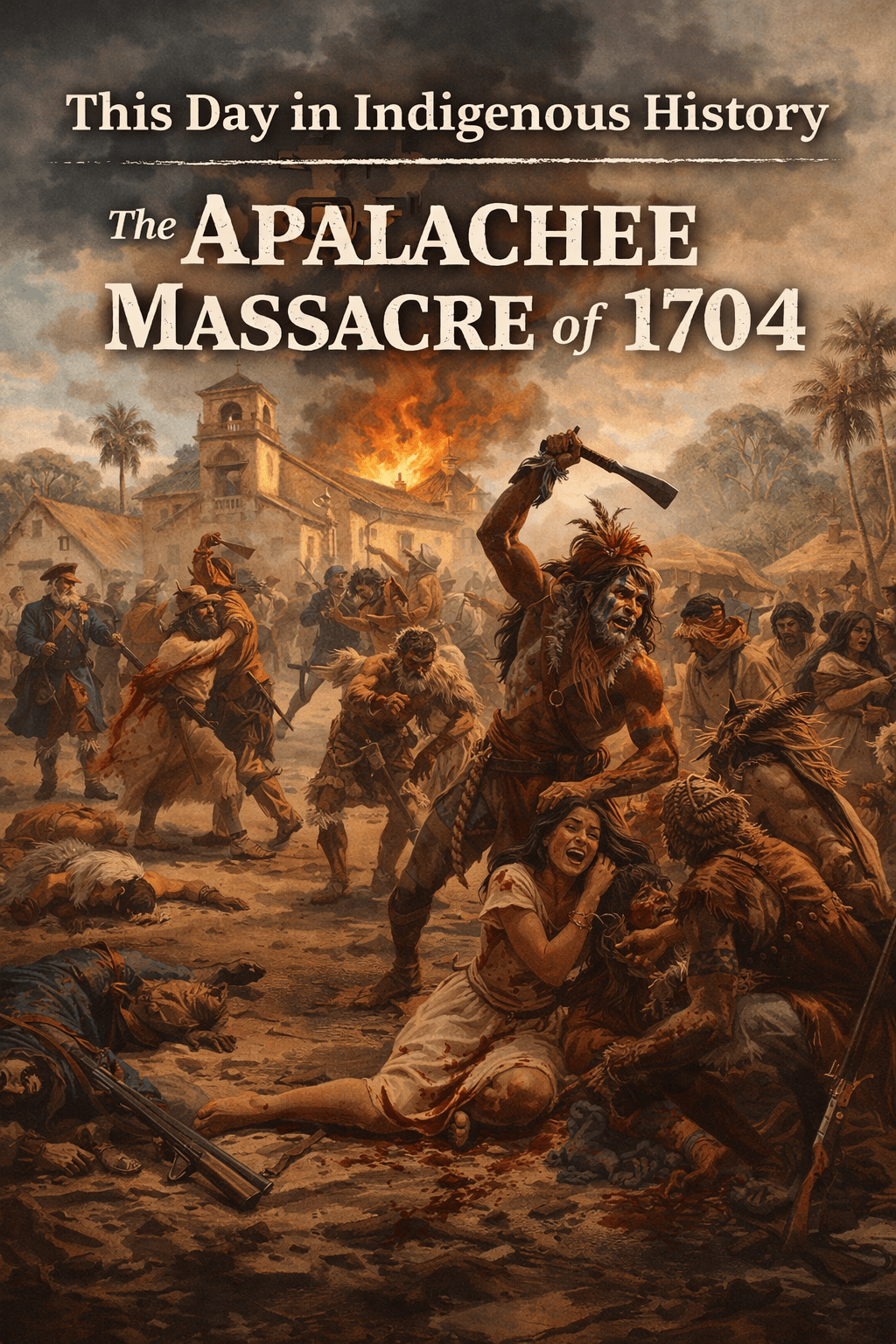
Tuesday, January 27, 2026
Historical Report: Native American Legacy and the Oneida Alliance
Date: January 27, 2026
Subject: Significant Occurrences in Indigenous History and the Legacy of Polly Cooper
I. This Day in History: January 27
The date of January 27 serves as a poignant reminder of both the systematic displacement of Indigenous peoples and their fierce resistance and diplomacy.
The Origins of Removal (1825)
President James Monroe formally proposed the creation of “Indian Territory” west of the Mississippi River on this day in 1825. This legislative move established the framework for the Trail of Tears, pressuring Eastern tribes to exchange ancestral lands for unfamiliar territory.
Conflict and Diplomacy (1756 & 1881)
- The Poplar Camp Surrender (1881): Major George Ilges and 300 soldiers intercepted 400 Montana Sioux on the Missouri River. Following an artillery strike, the Sioux surrendered; over 300 people and 200 horses were captured.
- The Lehigh Valley Uprising (1756): Led by Chief Tedyuscung, the Delaware (Lenni-Lenape) attacked British settlements in Pennsylvania.
- The Carlisle Council (1756): Simultaneously, diplomacy was attempted as Pennsylvania authorities met with leaders like Aroas (Silver Heels) and Belt of Wampum to negotiate peace.
II. Spotlight: Polly Cooper and the Oneida Alliance
The Oneida Nation is recognized as “America’s First Allies.” The story of Polly Cooper, now commemorated on the 2026 Native American $1 Coin, is central to this legacy.
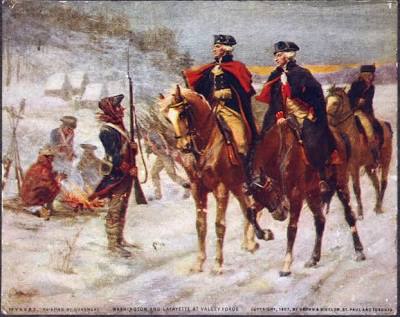
The Relief of Valley Forge (1778)
In the winter of 1777–78, Washington’s Continental Army faced total collapse from famine.
- The Mission: Roughly 50 Oneida warriors and women, sent by Chief Skenandoah, traveled over 200 miles on foot from New York to Pennsylvania.
- White Corn: They carried hundreds of bushels of white corn. Cooper intervened when starving soldiers tried to eat it raw—which can be fatal as raw corn swells in the stomach—and taught them to nixtamalize it (boil with ash) for safe consumption.
- Medical Care: Beyond cooking, Cooper was skilled in medicine and cared for feverish soldiers in field hospitals.
The “Shawl of Honor”
Refusing monetary payment for her service, Cooper stated it was her duty to help friends. In gratitude, she was presented with a black wool shawl and bonnet, items traditionally attributed to Martha Washington or the wives of army officers. This shawl has been preserved by Cooper’s descendants for nearly 250 years and is considered a sacred relic.
III. Modern Developments (January 2026)
- Currency: The U.S. Mint officially released the Polly Cooper $1 Coin today.
- Education: Massachusetts launched the “First Peoples First Stewards” initiative, featuring Native authors in public libraries.
- Narrative Shifting: Federal directives have reportedly ordered the removal of certain signs in National Parks that detailed the historical mistreatment of Native Americans.
IV. Where to View Oneida History and Artifacts
Several key institutions preserve the history of the Oneida Nation and the specific legacy of Polly Cooper.
Museums and Cultural CentersInstitution LocationKey FeaturesShako:wi Cultural CenterOneida, NYHouses the original Polly Cooper Shawl (on display at the
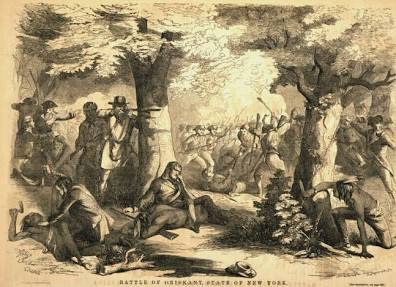
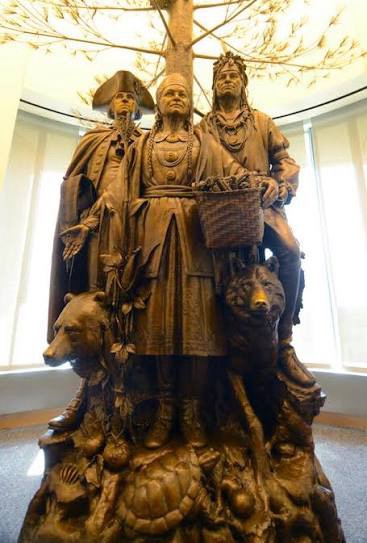
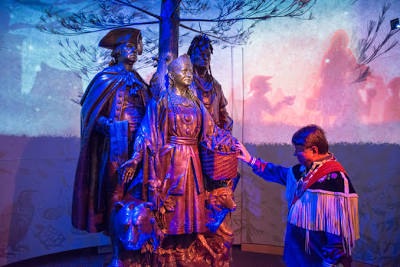
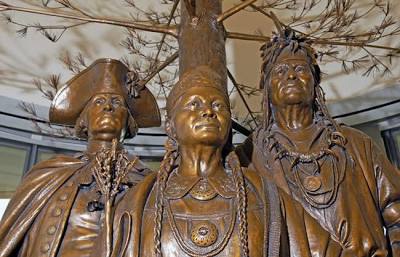
Oneida Nation Cultural Center); exhibits on wampum, beadwork, and Revolutionary War history.National Museum of the American IndianWashington, D.C.Features the “Allies in War, Partners in Peace” bronze monument (20-foot tall) depicting Polly Cooper, George Washington, and Chief Skenandoah.Museum of the American RevolutionPhiladelphia, PAContains a dedicated Oneida Indian Nation Gallery that details their role as America’s first allies in key battles like Oriskany and Saratoga.Oneida Nation MuseumDe Pere, WIPreserves the history of the Oneida people following their removal from New York; includes exhibits on the Great Law of Peace and the Revolutionary War.New York State MuseumAlbany, NYFeatures the “George Washington: An American Paradox”exhibition, which has displayed the Polly Cooper shawl.
Selected Bibliography
- American Battlefield Trust. “Polly Cooper.” Biographies.
- Oneida Indian Nation. “Polly Cooper: From Humble Cook to Oneida Icon” (2023).
- Oneida Indian Nation. “Shako:wi Cultural Center Seeks to Educate, Inform” (2026).
- U.S. National Park Service. “The Oneida in the American Revolution” (2025).
- Virginia Society C.A.R. “Patriots of the Round Table: Polly Cooper.”
Would you like me to help you draft a letter to one of these museums to inquire about specific visiting hours or educational materials for these exhibits?
 The Writings of Felina Silver
Leave a comment