Sunday, January 25, 2026
January 25 holds varied significance in Native American and Indigenous history, ranging from tragic massacres and forced removals in the 18th and 19th centuries to modern-day celebrations and advocacy. In some global contexts, this date is also viewed as a final day of sovereignty before colonial dispossession.
18th and 19th Century Historical Events
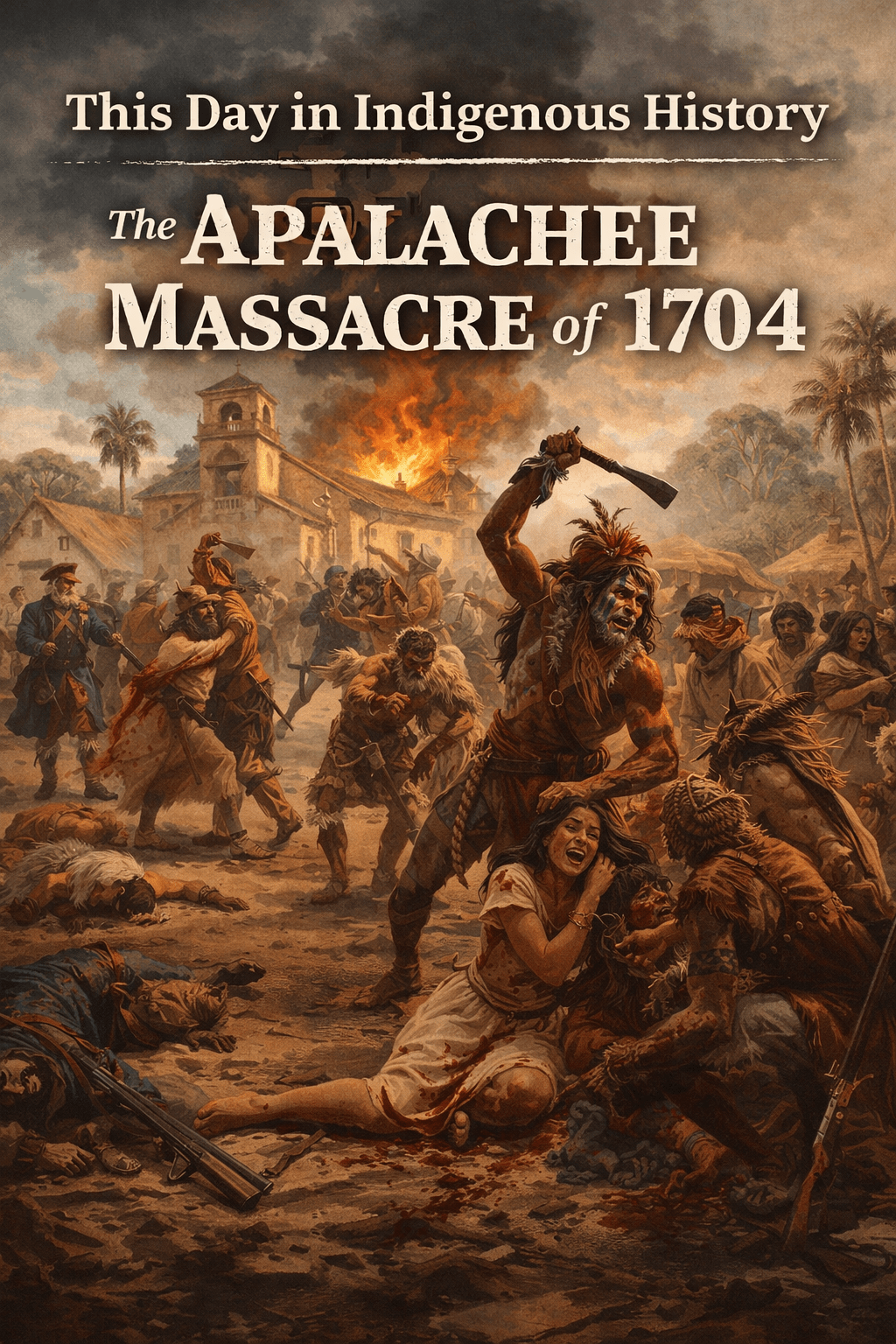
- Apalachee Massacre (1704): A combined force of British and Muscogee (Creek) people from the Province of Carolina destroyed the fortified mission of Ayubale. This action effectively broke Spain’s control over Spanish Florida.
- Navajo Resistance and Conflict (1864): During a campaign to force the Navajo to move to the Bosque Redondo Reservation, Kit Carson and Captain Pfeiffer entered the west end of Canyon de Chelly. They encountered a band of Navajo, killing 11 people and ordering the destruction of food supplies and peach trees.
- Sioux Surrender at Missouri River (1881): A force of 300 U.S. troops encountered approximately 400 Poplar Camp Sioux from Montana. After cannon rounds were fired, the Sioux surrendered; more than 300 were captured along with 200 horses and supplies, while eight were killed in the fighting.
- Treaty of Temecula (1852): One in a series of treaties with California Indians was signed, intended to set aside land and protect the San Luis Rey Indians from European settlers.
Modern Activism and Cultural Recognition
- Indigenous Media Advocacy (2026): Indian Voices, a San Diego-based publication serving 18 tribal nations, convened media leaders to strengthen cross-ethnic coalitions and address “news deserts” in Indigenous communities.
- “First Australians Day” Proposal: In the context of Australia’s national debate, some activists propose that January 25 be recognized as First Australians Day. This would be a day of mourning for the “last unspoiled day of Indigenous life” before the arrival of the British First Fleet on January 26, 1788.
- Winter Blast (2025): The National Museum of the American Indian held a “Winter Blast” event celebrating Indigenous games from across the Western hemisphere, including Inuit yo-yo, stickball, and the Hawaiian board game kōnane.
Recurring Cultural Ceremonies
Several Indigenous ceremonies traditionally occur during late January, though their exact dates may shift:
- Powamu Festival: Also known as the Bean Planting Festival, this mid-winter ceremony is observed by some nations in late January or early February.
- Iroquois Midwinter Ceremony: This major spiritual event is traditionally held in either January or February.
The Apalachee Massacre (January 25, 1704)
The attack on the Ayubale mission was a pivotal moment in the struggle for the American Southeast. It wasn’t just a skirmish; it was a calculated strike led by former Carolina Governor James Moore.
- The Motive: The British wanted to dismantle the Spanish mission system, which used converted Apalachee labor to provide food for the Spanish military in St. Augustine.
- The Conflict: Moore led a force of 50 English volunteers and roughly 1,000 Muscogee (Creek) warriors. They stormed the village of Ayubale, which was defended by the Apalachee and a few Spanish soldiers.
- The Aftermath: The mission was burned to the ground. Historical records indicate that dozens were killed in battle, but many more were tortured or executed afterward.
- Legacy: This event marked the beginning of the end for the Apalachee people as a cohesive nation in Florida. Thousands were forcibly relocated to Carolina as “tributary” Indians, effectively becoming enslaved labor.
The Treaty of Temecula (1852)
The Treaty of Temecula was one of 18 “lost treaties” signed between the U.S. government and various California Tribes.
- Key Outcomes: The treaty was intended to provide the Luiseño, Cahuilla, and Serrano nations with a large reservation (roughly 40 miles long and 30 miles wide) in exchange for ceding the rest of their ancestral lands. It also promised schools, livestock, and agricultural tools.
- Why it Failed: The treaty was never ratified by the U.S. Senate.
- The Reason for Failure: Powerful California politicians and settlers lobbied the Senate to reject the treaties because they didn’t want “valuable” land (where gold or fertile soil might be found) to be permanently held by Indigenous people.
- The Impact: Because the Senate rejected the treaties in a secret session and hid the records for 50 years, the Tribes were left “landless.” They had given up their land rights but received none of the promised legal protections, leading to decades of displacement and poverty.
Indigenous New Year Celebrations
Many Indigenous cultures do not follow the Gregorian calendar (January 1st). Instead, the “New Year” is often tied to astronomical events or the first harvest.CelebrationCultureSignificance
Midwinter (Sha’tekohshé:ha) Haudenosaunee (Iroquois)Occurs in late Jan/early Feb. It involves the “Stirring of the Ashes” to signify the renewal of life and the giving of thanks for the past year.
Powamu (Bean Planting) HopiA February ceremony where beans are sprouted in kivas (underground rooms). It marks the return of the Kachinas (spirits) and the start of a new planting cycle.
MatarikiMāori (New Zealand) Marked by the mid-winter rise of the Pleiades star cluster. It is a time for remembering the dead and celebrating the “rebirth” of the environment.
We TripantuMapuche (Chile/Argentina) Observed around the Winter Solstice (June in the Southern Hemisphere). It celebrates the “return of the sun” and the renewal of the Earth’s energy.
Note on January 25th: For many Indigenous people, this date serves as a reminder of the fragility of legal agreements (like the Temecula Treaty) and the resilience required to maintain cultural traditions in the face of such losses.
Below is a bibliography of the sources used to compile the historical information regarding the events of January 25, the Apalachee Massacre, the Treaty of Temecula, and Indigenous New Year celebrations.
Historical Conflicts and Treaties
- Apalachee Massacre:
- Covington, James W. “Apalachee Indians, 1704-1763.” The Florida Historical Quarterly, vol. 50, no. 4, 1972. Link.
- “Apalachee Massacre.” Dictionary of American History, Encyclopedia.com. Link.
- “Out of the Past: Many massacred in raids on missions.” Panama City News Herald, November 24, 2013. Link.
- “Apalachee Massacre.” Alltribes. Link.
- Treaty of Temecula:
- “History of Temecula.” City of Temecula Official Website. Link.
- “Unratified California Treaty K, 1852.” National Museum of the American Indian. Link.
- “California History: State & Federal Indian Policy.” Pechanga Band of Indians. Link.
- “The Secret Treaties with California’s Indians.” National Archives, Prologue Magazine, 2013. Link.
- Canyon de Chelly and Sioux Surrender:
Indigenous New Year and Seasonal Ceremonies
- Haudenosaunee (Midwinter Ceremony):
- Hopi (Powamu/Bean Dance):
- Mapuche (We Tripantu):
- “Where Is the Mapuche New Year Celebrated?” Alibaba.com, December 26, 2025. Link.
- “Chilean Culture: The Mapuche We Tripantu Celebration.” Cascada Expediciones, May 26, 2025. Link.
- Māori (Matariki):
 The Writings of Felina Silver
Leave a comment